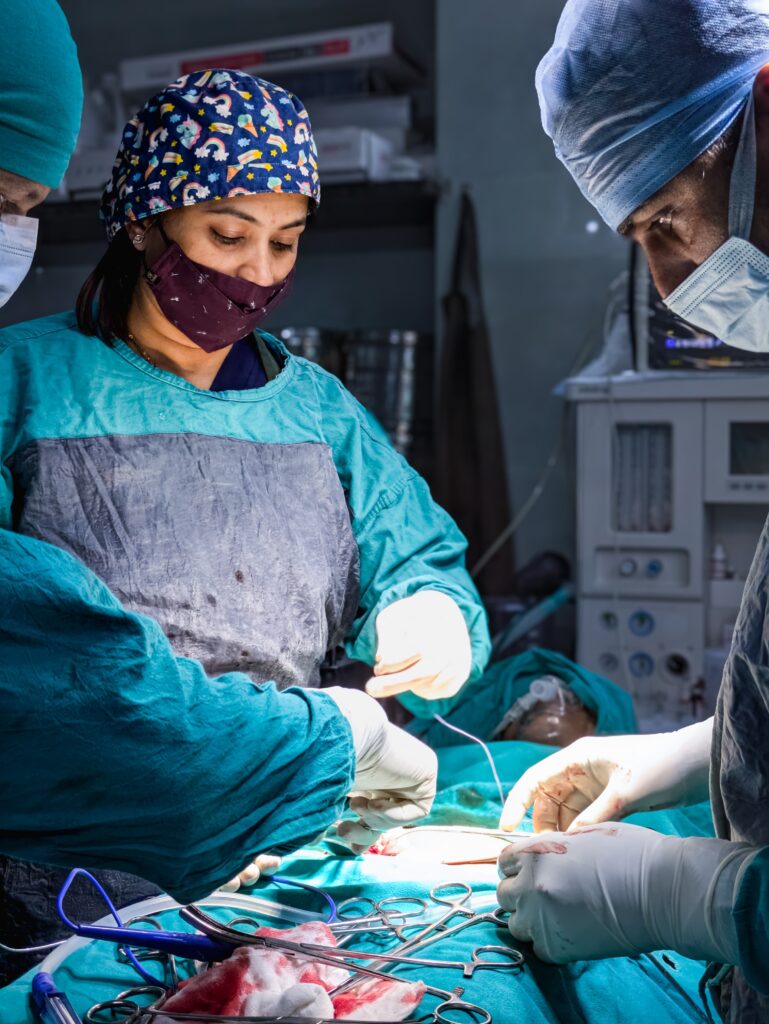
Sexual Health & STD Screening: Protecting Your Well-being and Reproductive Health
Sexual health is a vital aspect of overall well-being, and taking steps to safeguard it is crucial for everyone. Regular Sexual Health & STD Screening is an essential part of proactive healthcare, allowing individuals to detect and manage sexually transmitted infections (STIs) and ensure their reproductive health remains in good standing.
HIV Testing
Rapid HIV Tests:
Standard HIV Tests
Comprehensive STD Screenings
Chlamydia
Gonorrhea
Why Choose?
Why Choose Our Sexual Health & STD Screening Services?
Comprehensive Testing
We screen for a wide range of sexually transmitted infections, providing a thorough assessment of your sexual health.
Accurate & Reliable Results
Our testing methods are highly accurate and help ensure you receive trustworthy results.
Professional Support:
We offer expert guidance and advice for managing your sexual health and follow-up care.
Confidential & Compassionate Care
Our healthcare professionals provide a non-judgmental and confidential space for all patients.
Need To Discuss Your Gynaecological Problems?
Consult with the Best Cosmo Gynaecologist in Bhilwara near you
Early Detection: Many STDs can remain asymptomatic, meaning they don’t show symptoms but can still be transmitted or cause long-term health issues. Regular screening helps identify infections before they develop into more serious problems.
Preventing Transmission: Identifying STDs early can help prevent them from being passed to partners and reduce the spread of infections.
Preserving Fertility: Certain STDs, if left untreated, can cause infertility, so early intervention is critical in protecting future reproductive health.
Overall Health & Wellness: Routine screenings contribute to overall wellness by keeping you informed and allowing for timely interventions if needed.
Faq For Sexual Health
Have some Questions?
How often should I get tested for STDs?
It’s recommended to get tested at least once a year if you’re sexually active, especially if you have new or multiple partners. If you’re at higher risk or have symptoms, more frequent testing may be necessary.
Do STDs show symptoms?
Some STDs don’t show symptoms, which is why regular testing is important. Even if you’re symptom-free, you may still be carrying an infection that can affect your health or the health of your partners.
How is STD screening done?
Screening methods vary depending on the infection. Testing may include blood tests, urine tests, swabs from genital areas, or physical exams. Your healthcare provider will discuss the best tests for your situation.
What happens if I test positive for an STD?
If you test positive, you’ll be given information about your condition and treatment options. Many STDs can be treated with antibiotics or antiviral medications, while others require ongoing management.